Hidde de Smet

Hidde de Smet

from Jisp 25 posts

As a certified Azure Solution Architect, I specialize in designing, implementing, and managing cloud-based solutions using Scrum and DevOps methodologies.

MCP finally got enterprise authorization: here's what changed

MCP's Enterprise-Managed Authorization extension just went stable. VS Code 1.123 shipped it in Preview with Entra ID support. One OAuth prompt per server is now a policy problem, not a user problem.

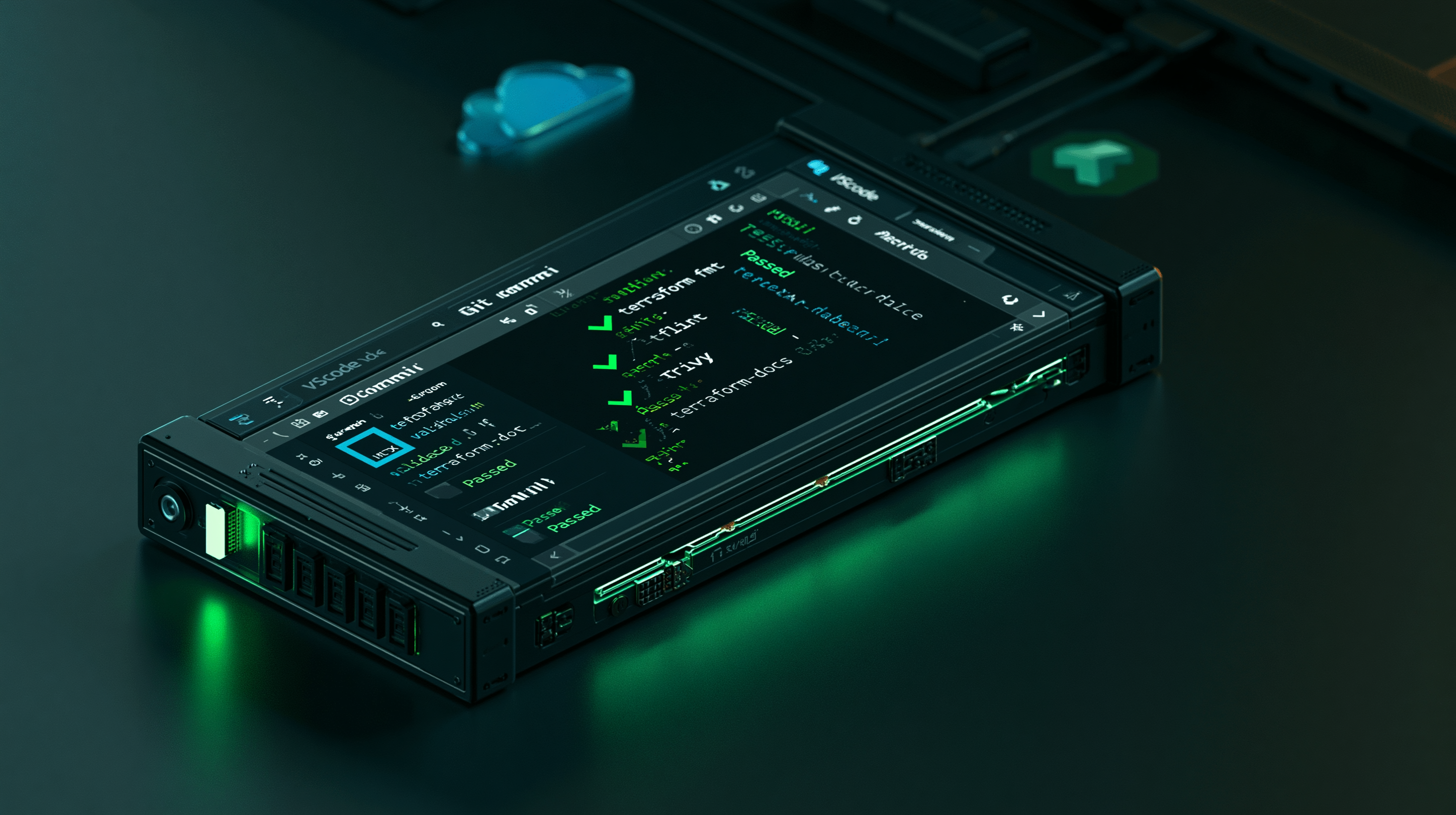
Terraform on Azure with guardrails: pre-commit, Trivy, and Anton Babenko's hooks

A small Azure Terraform setup wired to a pre-commit pipeline using Anton Babenko's pre-commit-terraform hooks: formatting, validation, linting, docs, and security scanning before code ever leaves your machine.

GitHub Copilot App vs VS Code Agents Window (2026): Which one should you use?

GitHub Copilot App is now open to Pro, Pro+, Max, Business, and Enterprise users. Compare it with the VS Code Agents Window and pick the right surface for each workflow.

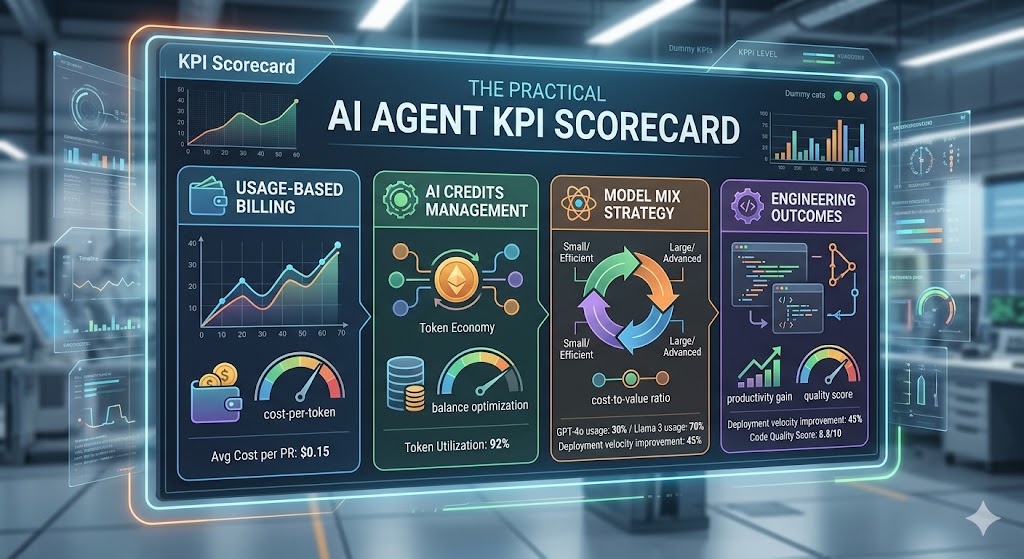
AI coding agents need KPIs: how to measure speed, quality, reliability, and cost

A follow-up to the real cost of AI coding agents: how to turn usage-based billing, AI credits, model mix, and engineering outcomes into a practical KPI scorecard.

Spec-Kit vs OpenSpec: two takes on spec-driven development

Spec-Kit and OpenSpec are two prominent spec-driven workflows for AI coding agents. They look similar on the surface and diverge sharply once you actually use them. Here's how they compare on workflow, philosophy, brownfield support, and customization.

The real cost of AI coding agents: what your team actually spends

A quick chat costs about $0.0015. A heavy agent session costs $5. GitHub just admitted flat-rate pricing can't survive this gap. Here's what AI coding agents actually cost at team scale, with real numbers from official sources.

Five files, one repo: the complete Copilot customization stack

Five customization files, one .NET Aspire repo, one complete agent setup. How AGENTS.md, .instructions.md, SKILL.md, .prompt.md, and .agent.md work together in practice.

AGENTS.md vs .agent.md: repo rules and custom agent roles explained

The difference between AGENTS.md and .agent.md, how GitHub Copilot uses both, and when to write repo instructions versus a custom agent persona.

SKILL.md, explained: the file is singular, the folder is plural

Why GitHub Copilot skills live in plural folders but singular SKILL.md files, how they load, and when supporting files are pulled in on demand.

Single-agent, tools, or a team? A practical comparison of AI coding setups

Single-agent, agent-with-tools, or multi-agent? The same feature through all three setups, the failure modes to watch for, and a decision matrix you can actually use.

Spec-Kit Extensions: Making spec-driven development your own

Spec-Kit's extension system turns a structured spec-driven workflow into something you can customize end-to-end. Here's how extensions work, which ones are worth looking at, and a hands-on walkthrough of the Ralph Loop extension for autonomous implementation.

Prompt Engineering That Actually Works

From vague prompts to reliable results: practical frameworks and mental models for working with LLMs, covering the 5 Principles, few-shot learning, Chain of Thought, RAG, context engineering, and how agents change everything.

From Vibe Coding to Spec-Driven Development: Part 4 - Team collaboration and advanced patterns

Part 4 of our series on mastering AI-assisted development. Learn how teams collaborate with Spec-Kit, integrate with CI/CD pipelines (GitHub Actions & Azure DevOps), and apply advanced architectural patterns.

From Vibe Coding to Spec-Driven Development: Part 3 - Best practices and troubleshooting

Part 3 of our series on mastering AI-assisted development. Learn advanced specification techniques, debugging strategies, iteration patterns, and real-world troubleshooting for production-ready AI-generated code.

From Vibe Coding to Spec-Driven Development: Part 2 - The Spec-Kit Workflow

Part 2 of our series on mastering AI-assisted development. A hands-on walkthrough of the complete Spec-Kit workflow: creating constitutions, writing specs, generating plans, and implementing production-ready code.

From Vibe Coding to Spec-Driven Development: Part 1 - The problem and the solution

Part 1 of our series on mastering AI-assisted development. Discover why 'vibe coding' gets you only 70% there, and why spec-driven development is the answer. This is your roadmap to production-ready AI-generated code.

Building a Center of Excellence for AI: A strategic approach to enterprise AI adoption

A comprehensive guide to establishing and operating a successful Center of Excellence (CCoE) for Artificial Intelligence in enterprise organizations. Learn the key components, governance frameworks, and best practices for scaling AI initiatives across your organization.

Bicep vs Terraform vs OpenTofu: Your Infrastructure as Code options in 2025

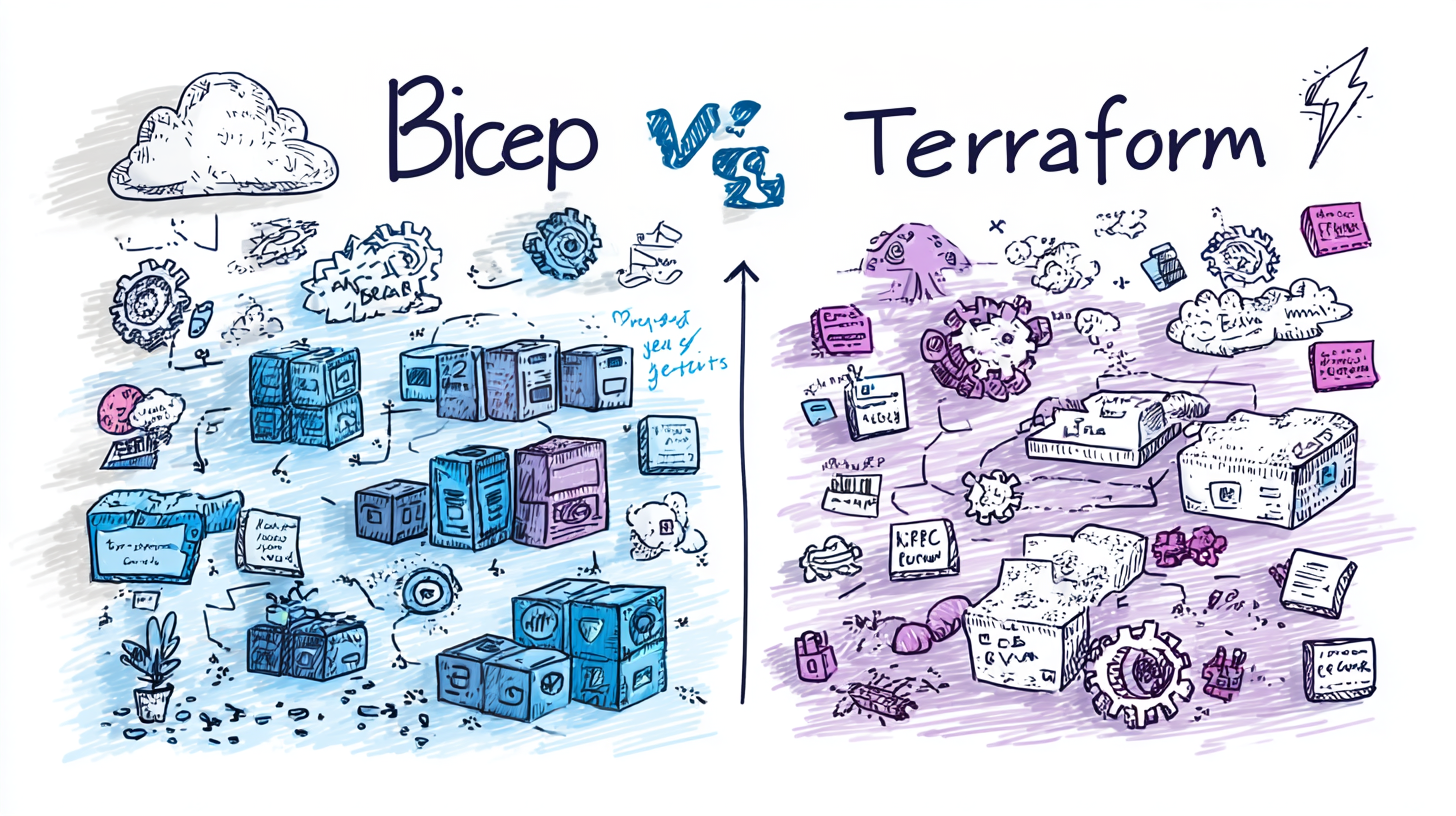
A comprehensive comparison of Azure Bicep and Terraform, plus OpenTofu as a community-driven open source alternative. With HashiCorp's license changes and IBM's acquisition, which tool should you choose for your cloud infrastructure needs?

From simple to sophisticated: Terraform infrastructure evolution

How I transformed a basic Terraform configuration into a sophisticated infrastructure-as-code solution with modules, testing, CI/CD, and governance.

Is AI the right solution? Part 3: Metrics, piloting, and key takeaways

Final part of our AI project validation series. Learn how to define success metrics, run effective pilot projects, and review key takeaways for successful AI implementation.

Is AI the right solution? Part 2: Examples and ethical risks

Part 2 of our AI project validation series. See the decision framework in action with examples and explore key ethical risks like bias, privacy, and workforce impact.

Is AI the right solution? Part 1: The decision framework

Part 1 of our series on validating AI projects. Learn a structured decision tree framework to assess strategic alignment, business impact, and ROI.

A practical guide to Machine Learning for image classification

An overview of a typical machine learning workflow for image classification, covering problem definition, ML type, tooling, data preparation, model training, and deployment using TensorFlow, Flask, and Docker.

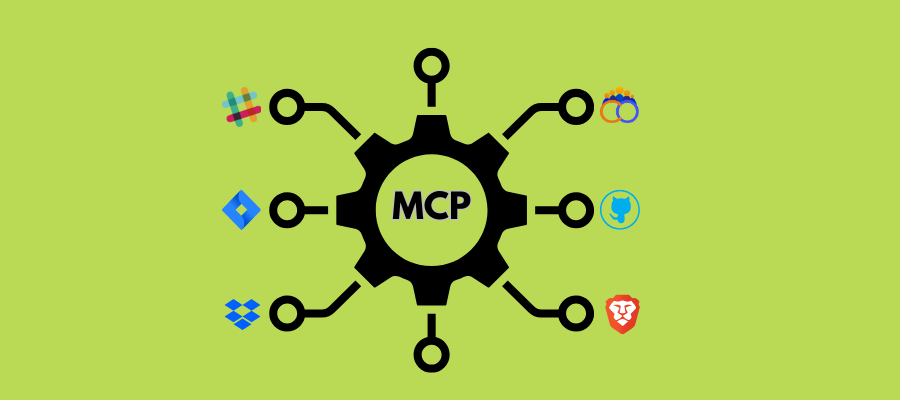
Understanding the Model Context Protocol (MCP)

Explore the Model Context Protocol (MCP), a groundbreaking standard for AI integration, enabling seamless interaction between AI models and external data sources.

GitHub Copilot Agent Mode - Transforming your development workflow

Discover how GitHub Copilot's Agent Mode enhances your development experience with natural language interactions and context-aware assistance throughout your coding journey.